All Categories
Featured
Table of Contents


The Technical Shift in Clayton Auto Body Standards for 2026
Vehicle construction has entered a phase where traditional repair methods often fail to meet safety and aesthetic requirements. As of 2026, the complexity of automotive sheet metal and composite materials requires a level of precision that was once reserved for aerospace engineering. For car owners, this means that selecting a repair technician is no longer about finding the lowest price but about identifying verified technical proficiency.
In the current market, the difference between a successful repair and a ruined panel lies in the technician's understanding of metal memory and heat management. Modern vehicles frequently use ultra-high-strength steel and aluminum alloys that behave differently under stress. Without the right training, a technician might overstretch the metal, leading to structural weaknesses or "oil-canning" where the panel loses its tension. This is why specialized certifications have become the primary metric for quality in Clayton.
Professionalism in this field is often tied to the ability to handle complex body lines without damaging the factory finish. Many vehicle owners are now relying on Smart Bodywork Tips to ensure their vehicles remain in peak condition. By focusing on certified processes, consumers avoid the long-term issues associated with traditional body shop fillers and repainting, such as color mismatching or paint shrinkage over time.
Certifications for High-Strength Steel and Aluminum Panels
By 2026, aluminum-intensive vehicles have become the standard rather than the exception. Aluminum does not have the same "memory" as steel, meaning it requires specialized tools and higher heat applications to move back into its original shape. A technician without an aluminum-specific certification risks cracking the panel or causing microscopic fractures that compromise the vehicle's safety.
The Automotive Restoration Council (ARC) has updated its testing modules for 2026 to include rigorous practical exams on these specific materials. Technicians must demonstrate their ability to manipulate 6000-series aluminum without creating work-hardening brittle spots. When examining a provider of dent repair specialists, checking for an ARC Master Technician status provides a baseline of confidence that the individual has passed these high-stakes evaluations.

Effective Vehicle Value Tips provides a standardized way for consumers to verify that a shop invests in the latest pulling systems and glue-tab technology. These methods are essential for modern cars where access to the back of a panel is restricted by side-impact reinforcement bars or acoustic insulation. A certified technician knows how to use high-pull glue systems to move metal from the outside, preserving the interior trim and factory seals.
The Necessity of ADAS Calibration Knowledge

One of the most significant changes in 2026 is the integration of Advanced Driver Assistance Systems (ADAS) into nearly every exterior panel. Sensors for adaptive cruise control, lane-keep assist, and automated braking are often mounted directly behind or near common dent locations, such as bumpers and fenders. Even a minor dent can misalign a sensor by a fraction of a degree, leading to system failure or incorrect readings while driving.
Certification through I-CAR for ADAS awareness is now a requirement for top-tier PDR professionals. This ensures that the technician knows when a dent repair requires a post-repair scan or a full system recalibration. Many high-end vehicles in Clayton now feature "smart skins" where the metal itself acts as part of the sensor array. A technician who lacks these modern credentials might fix the visible dent but leave the vehicle's safety systems compromised.
OEM-Specific Training and Manufacturer Approval
While general certifications are excellent, 2026 has seen a rise in manufacturer-specific (OEM) PDR programs. Brands like Tesla, Rivian, BMW, and Ford have created their own paths for technicians to become "brand-authorized." These programs are tailored to the specific alloys and paint types used by those manufacturers. For instance, some electric vehicles use specific clear coats that are more susceptible to heat damage, requiring a different approach during the dent-massaging process.
Choosing a technician who holds these specific credentials is a direct investment in vehicle value preservation. When it comes time to sell or trade in a vehicle, having a documented repair history from an OEM-certified professional ensures that the factory warranty remains intact. Vehicle owners often look for Vehicle Value Tips for 2026 to guarantee that their high-value assets are handled according to the exact specifications of the manufacturer.
Maintaining Resale Value Through Certified Repair Methods
The primary appeal of Paintless Dent Repair has always been the preservation of the factory paint. In 2026, original paint is one of the most significant factors in a vehicle's resale value. Once a car has been to a traditional body shop for sanding, filling, and painting, its "original" status is lost, and its value often drops by 10% to 15% due to the perception of previous accident damage.
Certified PDR avoids this entirely. Because no chemicals, fillers, or non-factory paints are used, the repair is essentially invisible to paint depth gauges used by professional car buyers and dealerships. A technician with a high-level certification can achieve a 99% to 100% return to factory form, even on sharp body lines or deep creases that were previously thought to be unrepairable without paint.
In Clayton, the demand for high-quality work has pushed the industry to adopt digital microscopes and high-definition light boards for final inspections. This allows the technician to ensure that the texture of the paint (the "orange peel") matches the surrounding panels perfectly. This level of detail is what separates a certified expert from a hobbyist.
Identifying Quality Indicators in Clayton
When searching for a provider of professional dent removal, look for physical proof of ongoing education. A shop that displays certifications dated 2026 shows they are current with the latest vehicle architectures. Ask about the specific tools they use, such as carbon fiber hail rods or digital induction heaters, which are common in the kits of highly trained professionals this year.
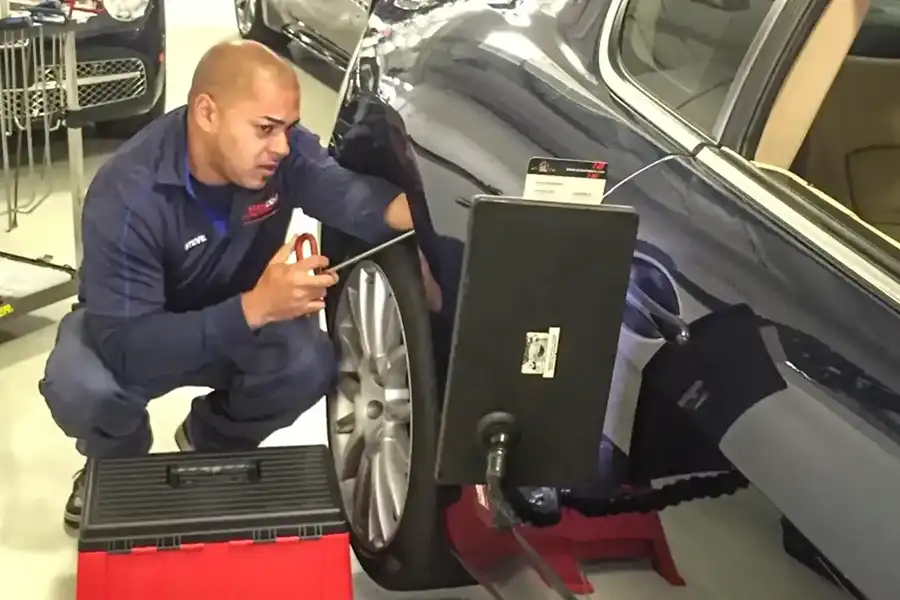
Transparency is another hallmark of a certified professional. They should be able to explain the metallurgy of your specific vehicle and why a certain approach is necessary. They will also be honest about the limitations of the repair, such as if the paint has been stressed to the point of cracking. This technical honesty is a byproduct of the rigorous ethics training included in modern PDR certification programs.
By prioritizing these certifications, vehicle owners protect more than just the appearance of their car. They protect the structural integrity of the metal, the functionality of the onboard safety electronics, and the long-term financial value of their investment. In the fast-moving automotive world of 2026, specialized knowledge is the only way to ensure a repair is truly permanent and professional.

Latest Posts
Accuracy Repair Standards for the Next Generation of Cars
Incorporating Mini into Your Fleet Strategy
A Better Method to Manage Martinez Fleet Dents