All Categories
Featured
Table of Contents
Surface Tension and Molecular Bonds in 2026 Automotive Care
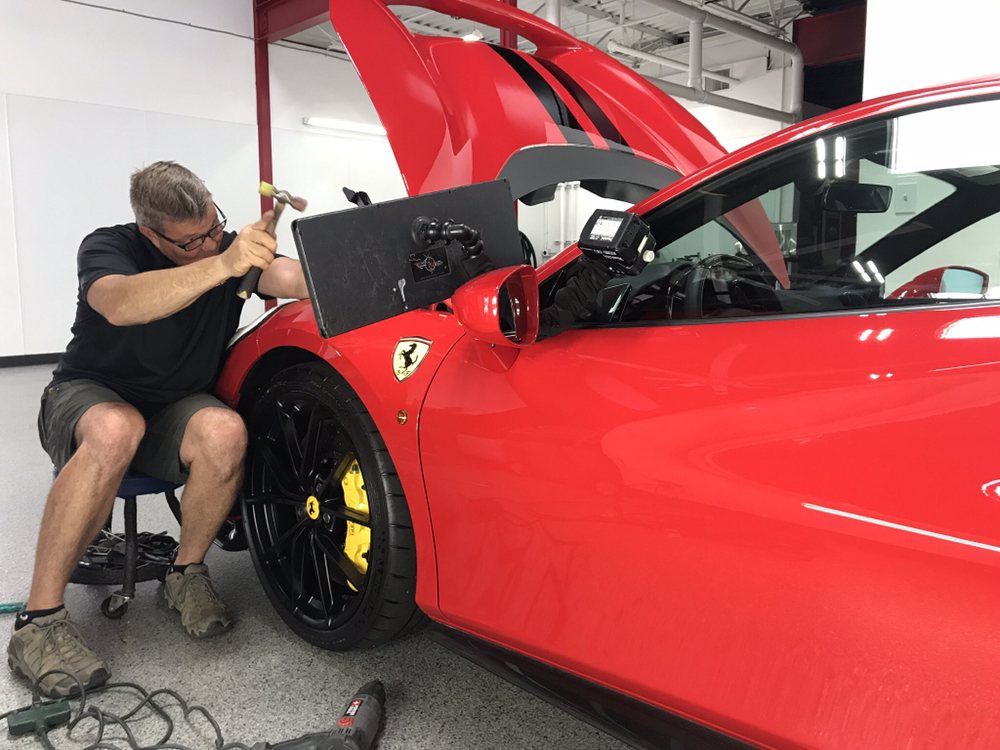
The automotive industry in 2026 has reached a point where factory-applied and aftermarket ceramic coatings are no longer reserved for exotic supercars. As these hardened liquid glass layers become standard on daily drivers in Concord, the collision repair sector has had to adapt. Paintless Dent Repair (PDR) remains the gold standard for fixing minor impacts without the need for fillers or respray, yet the presence of a ceramic layer introduces a layer of complexity. Technicians often encounter Vehicle Damage Analysis when evaluating modern vehicle finishes, necessitating a shift in how physical pressure is applied to metal panels.
Ceramic coatings, primarily composed of silicon dioxide or silicon carbide, create a semi-permanent bond with the clear coat. This bond results in a surface that is significantly harder than the paint underneath. While this hardness provides excellent protection against bird droppings and UV rays, it creates a brittle shell. During PDR, where metal is massaged back into its original shape from behind the panel, the paint must flex. If the ceramic coating cannot flex at the same rate as the underlying clear coat and aluminum or steel, the risk of micro-fracturing becomes a reality.
Technical Challenges for Specialized Dent Removal
The physics of a dent involves stretched metal and compressed paint. When a technician uses specialized rods to push a dent out, they are essentially reversing that stress. In 2026, the coatings used on vehicles have evolved to be slightly more flexible than their predecessors, but they still lack the high elasticity of modern water-borne paint systems. Future Advanced PDR Systems has become essential for modern businesses looking to maintain the highest standards of vehicle preservation.
One specific concern involves the use of glue pulling. This technique involves sticking a plastic tab to the exterior of the paint and using a slide hammer to pull the metal forward. On a non-coated car, this is straightforward. On a vehicle treated with a high-end ceramic product, the "slickness" or low surface energy of the coating can prevent the adhesive from bonding correctly. Conversely, if the bond is too strong, the tension of the pull can cause the ceramic layer to delaminate from the clear coat, taking a small portion of the finish with it. Specialist shops in Concord must use specific alcohol-based cleaners to prep the area without stripping the coating entirely or leaving a residue that causes tab failure.
Thermal Management and Coating Elasticity
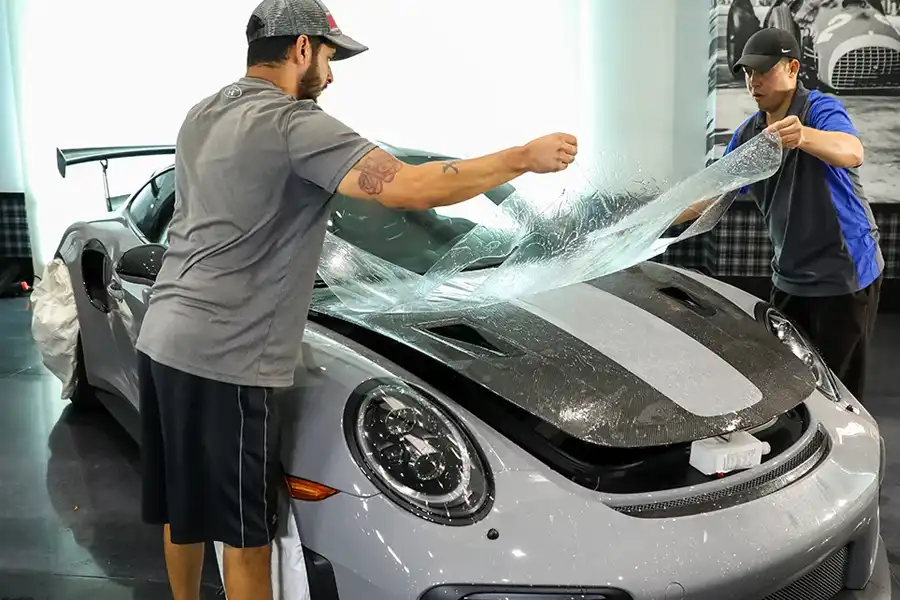
Heat is the primary tool used to mitigate the risk of cracking. By raising the temperature of the panel to a specific range, usually between 100 and 120 degrees Fahrenheit, the technician can temporarily increase the flexibility of both the clear coat and the ceramic layer. This process requires precision. Too little heat and the coating remains brittle. Too much heat and the adhesive used in glue pulling will fail, or worse, the paint itself could become unstable.
The demand for Vehicle Damage Analysis in CA continues to rise as owners realize that traditional body shop methods—which often involve sanding and repainting—actually decrease the resale value of a 2026 model-year vehicle. Keeping the factory finish intact is the priority, but it requires a technician who understands the chemical makeup of the protection layers. These professionals often use induction heaters or high-precision heat guns with digital thermostats to ensure the surface stays within the safe working window throughout the repair process.
Preserving Vehicle Integrity in Concord
The value of a vehicle in 2026 is heavily tied to its "originality." Buyers look for original paint thickness readings and untouched factory seals. When a ceramic coating is present, it adds a layer of measurable thickness, often between 1 to 3 microns. If a PDR technician is careless and causes "checking"—tiny cracks in the coating—those cracks can eventually allow moisture to seep under the ceramic layer, leading to premature failure of the protection.
Properly executed PDR on a coated vehicle involves a slower, more methodical approach. Instead of large, aggressive pushes, the technician uses hundreds of tiny, micro-pushes. This gradual movement allows the molecular structure of the coating to adjust to the changing shape of the metal. This level of patience is what separates a standard repair from a high-end preservation service. It ensures that the hydrophobic properties and the gloss levels of the coating remain uniform across the repaired panel.

Tool Selection and Surface Contact
The choice of tips for PDR rods also plays a role. Steel tips are often too sharp for coated cars, as they can create "high spots" that are difficult to knock down without marring the ceramic finish. Many technicians have moved toward using soft-tip tools or interchangeable heads made of specialized polymers or wood. These materials distribute the pressure over a slightly larger area, reducing the concentrated stress on the brittle ceramic shell.
When high spots do occur, they must be addressed with extreme care. Traditionally, a technician would use a knockdown tool and a hammer to tap the metal back into place. On a ceramic-coated car, this metal-on-paint contact can leave tiny dull marks in the coating. To avoid this, technicians in Concord often use padded knockdown tools or place a thin barrier of high-strength tape over the area to absorb the impact while still allowing the metal to move.

Long-term Maintenance After Repair
Once the dent is removed, the work is not quite finished. Even with the best protection techniques, the mechanical stress of PDR can slightly thin the ceramic layer at the site of the repair. A professional service will often include a "topper" or a ceramic reload spray to reinforce the area. This ensures that the repaired section has the same level of UV protection and water sheeting as the rest of the vehicle.
Vehicle owners should be aware that not all PDR providers are equipped to handle advanced coatings. In 2026, the gap between "volume" repair centers and "precision" studios has widened. Choosing a provider who understands the specific needs of high-grade ceramic finishes is the only way to ensure the car’s aesthetic and monetary value remains intact. The goal is always a repair that is invisible not just to the naked eye, but also under the scrutinizing lights of a professional detailer or a future buyer.
The intersection of chemical engineering in coatings and mechanical skill in metal manipulation represents the current state of automotive care. As vehicles become more advanced, the techniques used to maintain them must follow suit. By prioritizing technical precision and understanding the unique properties of ceramic layers, the integrity of the vehicle is preserved for years to come.

Latest Posts
Accuracy Repair Standards for the Next Generation of Cars
Incorporating Mini into Your Fleet Strategy
A Better Method to Manage Martinez Fleet Dents